
Youth Soccer
What Parents Should Look for in a Youth Soccer Training Program in Los Angeles
By Formula Soccer Center ·
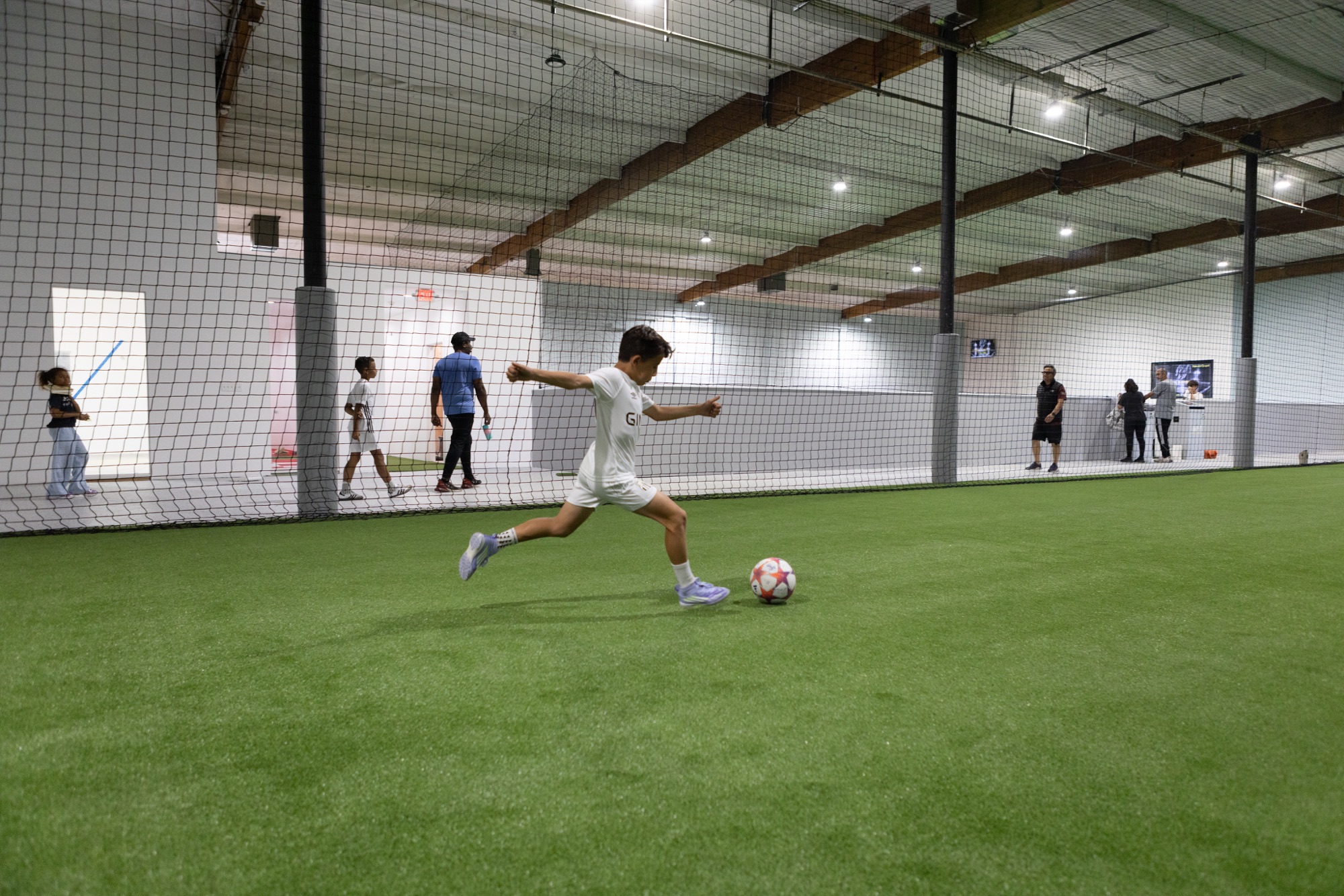
Los Angeles has no shortage of soccer programs.
The harder question for parents is determining which environment will actually help their child develop.
More training is not automatically better training.
A strong youth soccer program should provide structure, quality coaching, meaningful repetition and a clear reason behind the work players are doing.
Here are several things parents should consider when comparing youth soccer training programs.
1. Development Should Have a Purpose
Players should not leave every session wondering what they were supposed to improve.
Good training has an objective.
That may involve first touch, passing, finishing, movement, acceleration, reaction, decision-making or another specific part of the game.
Parents should be able to ask:
What is my player working on, and why?
A strong development environment should be able to answer that question.
Formula connects assessment, training and measurement so players can start with a clearer understanding of their development priorities. See how in Find Your Formula.
2. Look for Quality Repetition
Young players need touches on the ball.
But simply touching the ball hundreds of times is not enough.
The repetition should reinforce useful habits.
Technical training may focus on areas such as:
- first touch
- receiving
- passing
- ball control
- finishing
- consistency
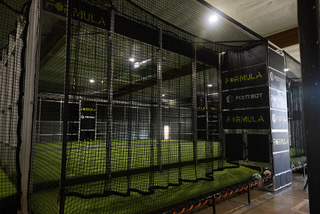
Formula combines coached training with performance technology such as FootBot to support purposeful technical repetition.
3. Training Should Match the Player
A younger beginner and an experienced teenage player should not necessarily receive the same training experience.
Players develop physically, technically and mentally at different rates.
A good soccer development program should account for age, ability and development needs.
Formula's current membership pathways include:
- Ages 6–8
- Ages 9–11
- Ages 12–17
- Adult
Formula Footsies and Mini Ballers are separate programs for ages 4–8.
4. Measurement Can Make Progress Easier to Understand
One challenge in youth soccer development is recognizing progress.
A player may be improving even when that improvement is difficult to see from the sideline.
Assessments and performance data can provide another perspective.
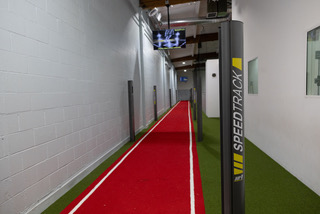
Formula's development environment uses assessment and performance technology to help create a clearer picture of a player's training journey.
Measurement does not tell the entire story.
But it can make conversations between players, parents and coaches more useful.
5. Coaching and Technology Should Work Together
Technology can be impressive.
But equipment should not become the entire experience.
Technology should support coaching.
A coach still needs to:
- recognize technical problems
- communicate clearly
- create appropriate challenges
- adjust training
- understand the individual player
- connect training to the game
Formula combines its technology with structured player development rather than treating technology as a substitute for coaching.
6. Consistency Matters
Development takes time.
One great training session will not transform a player overnight.
Players need consistency.
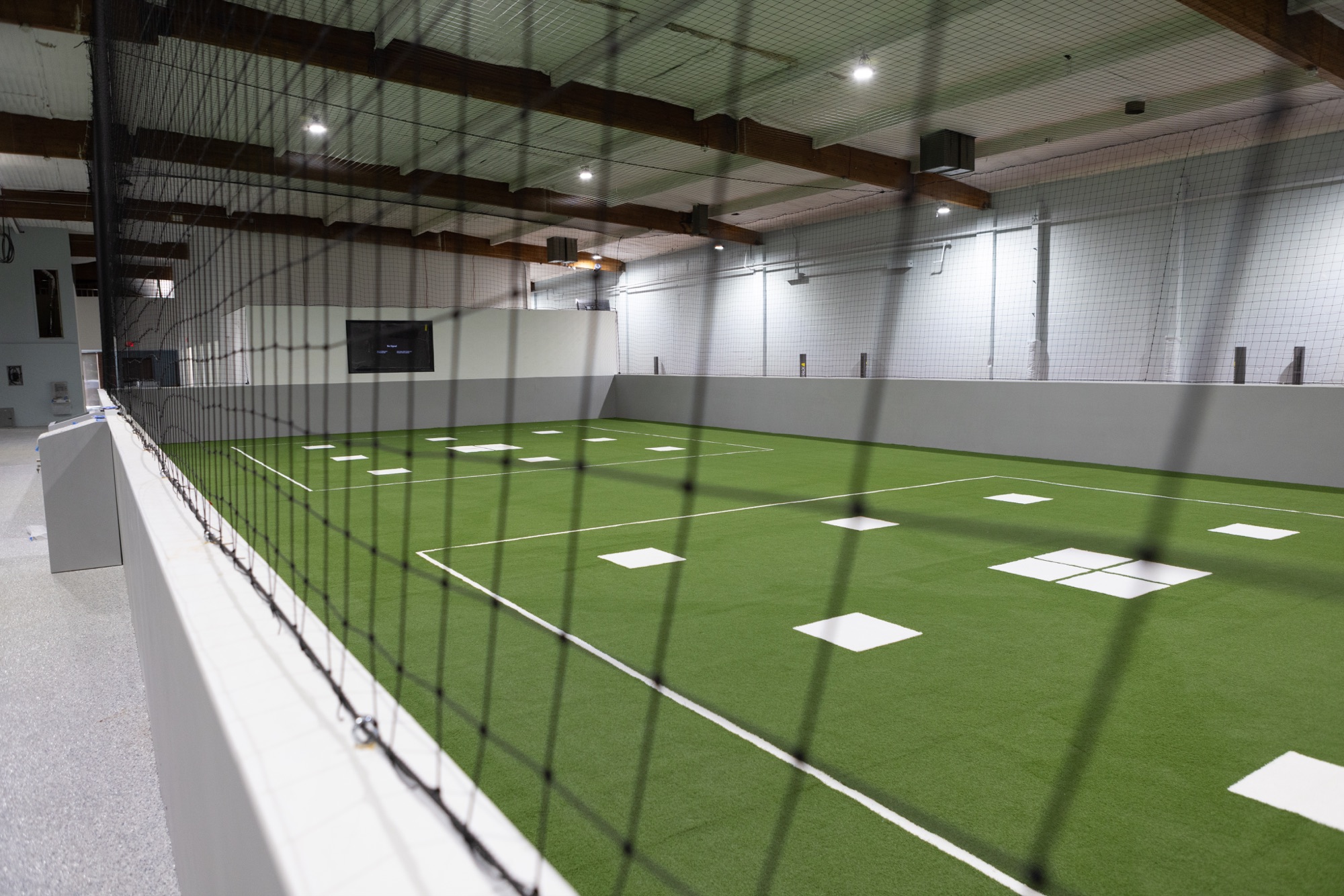
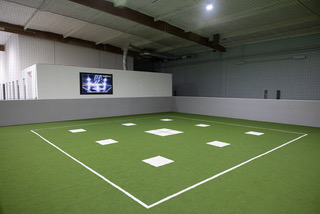
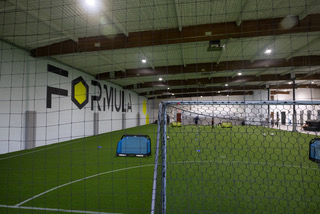
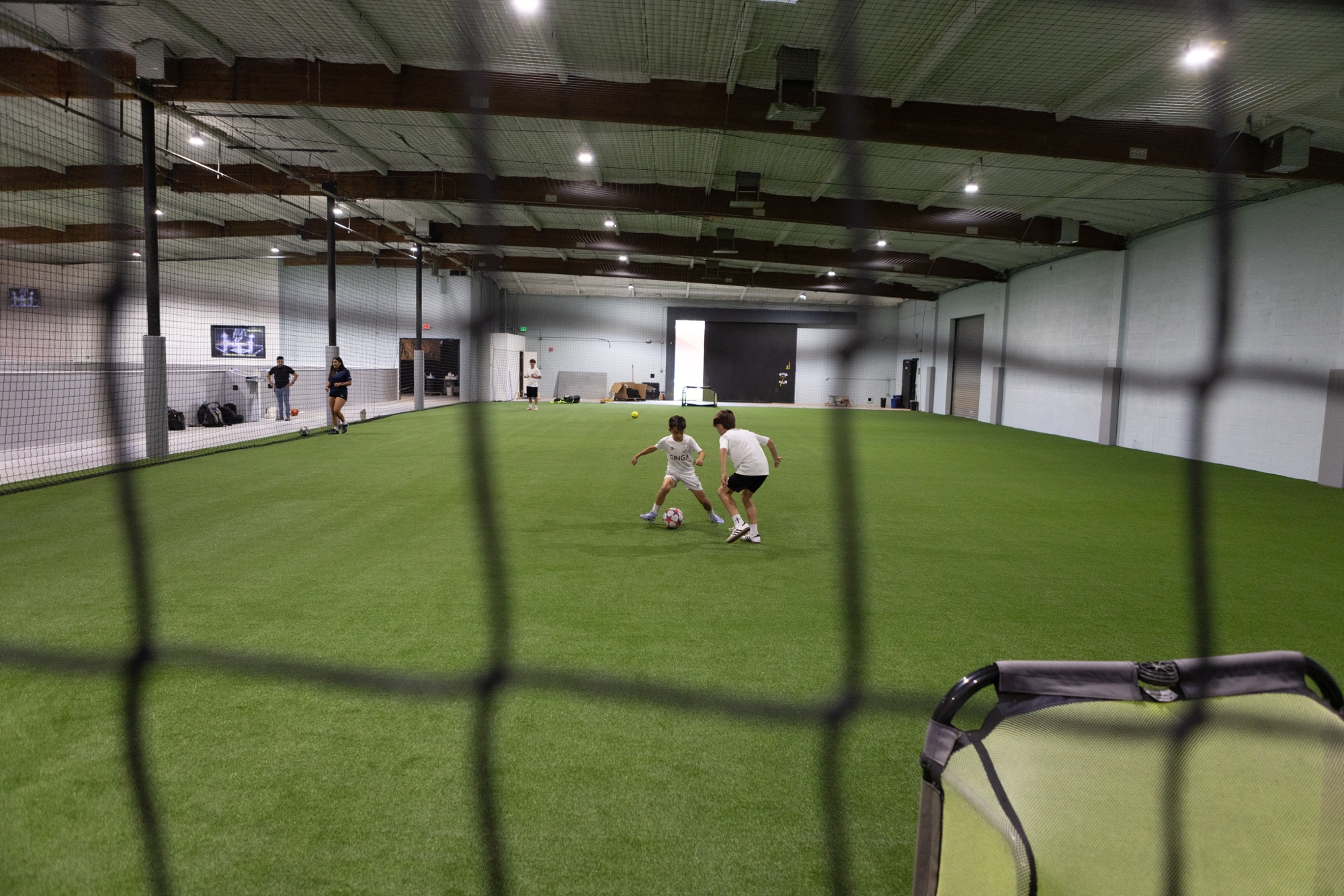
Formula's current Membership Training sessions are one hour long and take place on the Performance Field.
7. The Environment Should Keep Players Engaged
Youth players still need to enjoy training.
Development and enjoyment are not opposites.
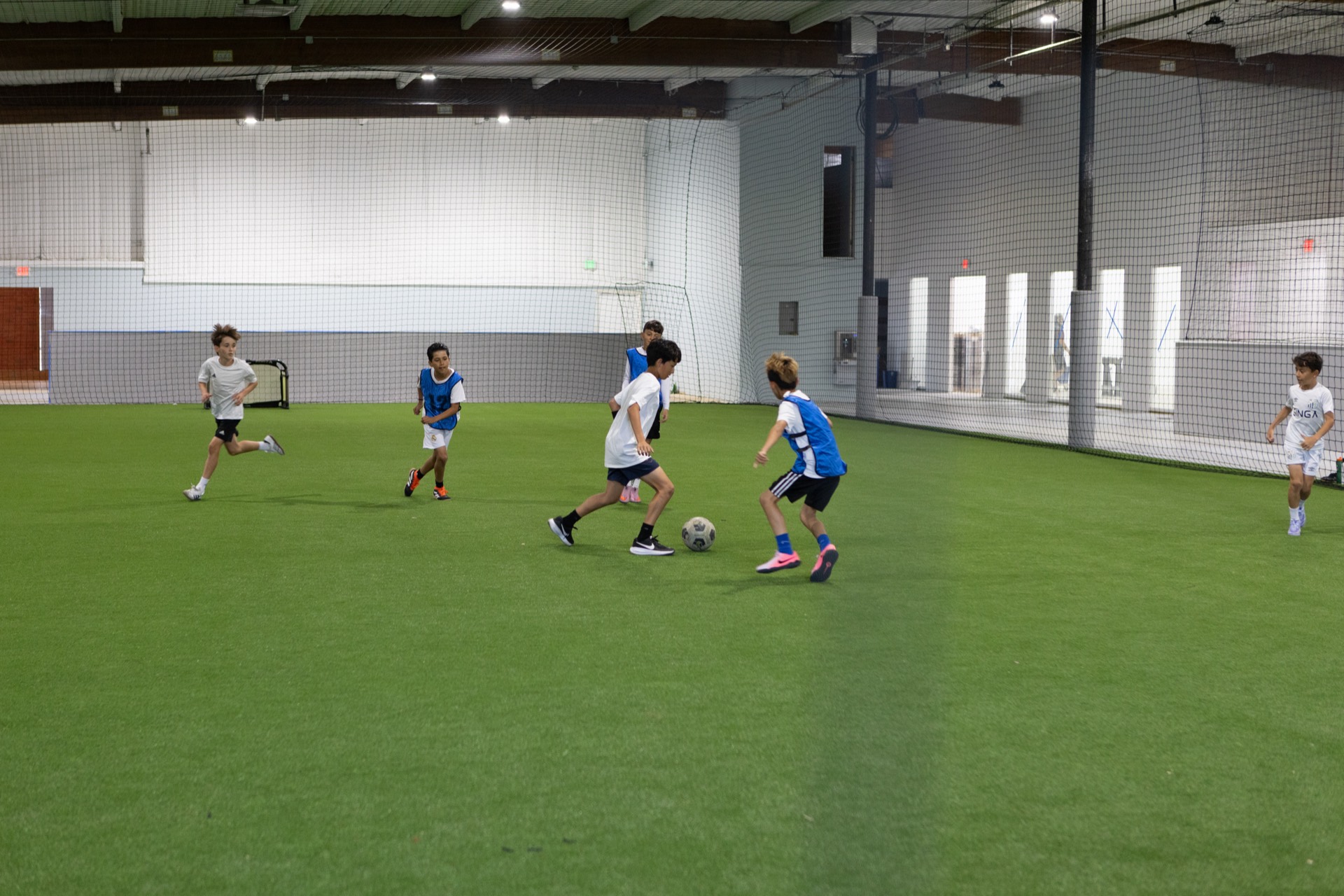
A good environment should challenge players while keeping them engaged in the process.
When a player understands what they are working toward, training becomes more meaningful.
Youth Soccer Training in Van Nuys
Formula Soccer Center is located at:
15001 Calvert Street
Van Nuys, CA 91411
For families searching for soccer training in Van Nuys, the San Fernando Valley or the greater Los Angeles area, consistency and accessibility matter.
Formula brings training, assessments, memberships and performance technology together within one facility. Questions? Contact Formula.
The Question Parents Should Ask
Instead of only asking:
How many times per week can my child train?
Try asking:
How will this program help my player understand what they need to improve?
That question reveals much more about a development environment.
Frequently Asked Questions
What should parents look for in a youth soccer training program?
Look for quality coaching, purposeful sessions, age-appropriate development, useful repetition, clear feedback and a structured process for player development.
Is individual soccer training better than team training?
They serve different purposes. Individual and small-group work can provide more focused technical attention, while team environments provide tactical and game-related experiences.
Does Formula offer youth soccer training?
Yes. Formula offers age-based membership pathways as well as additional youth programs.
Where is Formula Soccer Center?
Formula is located at 15001 Calvert Street in Van Nuys, California.